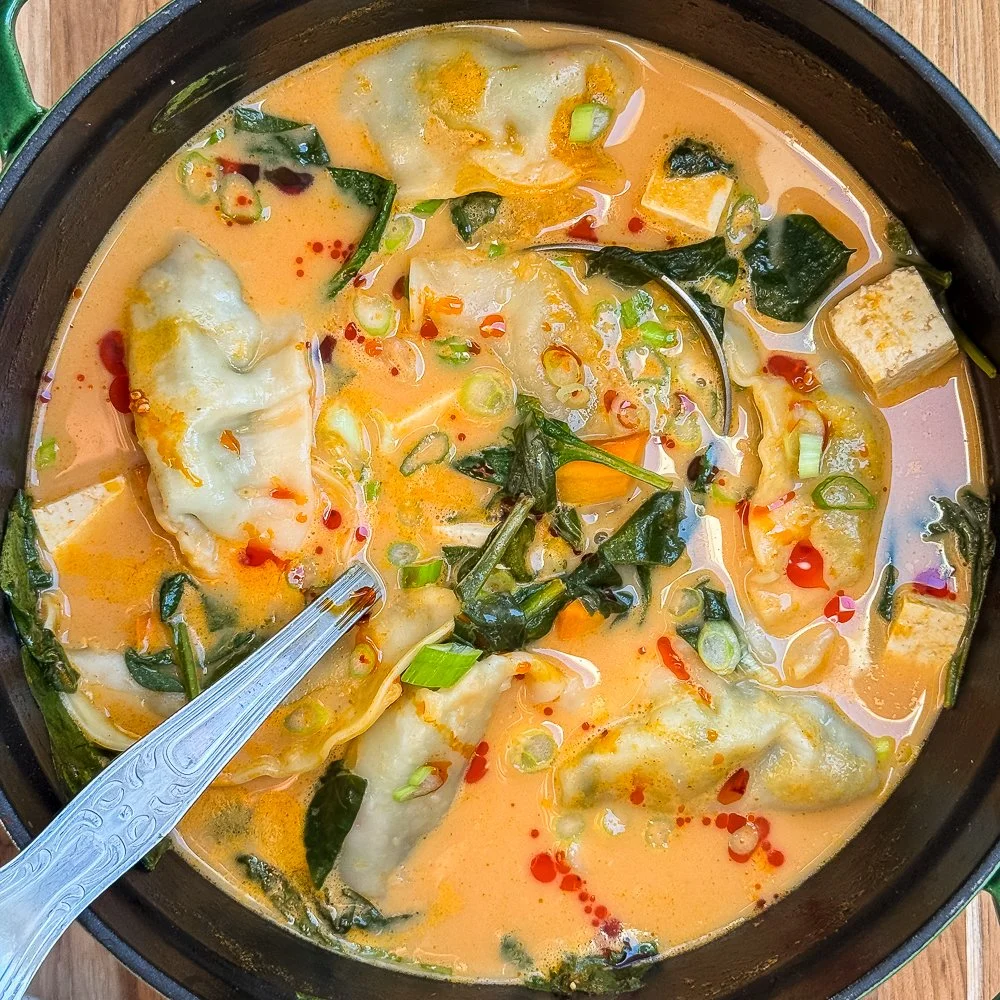
Vegan Dumpling Soup: Crafting a Hearty Hug in a Bowl
Imagine a chilly evening, the warmth of your kitchen embracing you, and the delightful aroma of a steaming bowl of soup filling the air. Within that bowl, tender, plump dumplings float gracefully amongst a vibrant medley of crisp-tender vegetables, all bathed in a rich, savory broth. Now, imagine all this goodness is entirely plant-based – no meat, no dairy, just pure, wholesome ingredients coming together to create a dish that is both nourishing and deeply satisfying. This is the magic of
vegan dumpling soup, a culinary masterpiece that truly feels like a hug in a bowl.
Far more than just a meal,
vegan dumpling soup is a culinary experience. It’s the perfect antidote to a cold day, a comforting lunch that revives your spirit, or even an impressive showstopper when entertaining friends, many of whom might not even realize just how incredibly flavorful and satisfying vegan cuisine can be. This article will guide you through the art of crafting this beloved dish, ensuring every spoonful is layered with textures and infused with an umami-rich taste that will have you coming back for more.
The Magic Behind Vegan Dumpling Soup: Why It's More Than Just a Meal
At its heart,
vegan dumpling soup embodies the very best of plant-based eating: vibrant flavors, diverse textures, and a remarkable ability to deliver profound comfort without relying on animal products. It shatters the misconception that vegan food is bland or restrictive, showcasing instead a symphony of tastes that can be both light and incredibly hearty. The beauty of this soup lies in its layered complexity. You get the comforting chewiness of the dumplings, the slight crunch of fresh vegetables, and the velvety smooth embrace of a well-seasoned broth.
This isn't just about recreating a traditional dish; it's about elevating it with mindful ingredients. The umami depth in a truly great
vegan dumpling soup often comes from a careful balance of soy sauce, ginger, garlic, and perhaps a touch of sesame oil, all harmonizing with the natural sweetness of vegetables. It’s a dish that feels indulgent, yet leaves you feeling energized and well-nourished, making it an excellent choice for anyone seeking wholesome, plant-powered delight. The vibrant colors alone are a feast for the eyes, promising a nourishing experience before the first spoonful even reaches your lips.
Crafting Your Pillowy Plant-Based Dumplings
The dumplings are undoubtedly the stars of this show. Their soft, melt-in-your-mouth texture provides a delightful contrast to the soup's broth and vegetables. Making them from scratch might seem daunting, but it's a surprisingly straightforward and rewarding process.
For the Dough:
The foundation of any good dumpling is a pliable dough.
- Ingredients: You’ll typically need 1 cup of all-purpose flour, about 1/4 cup of warm water, and 1/2 teaspoon of salt.
- Method: Combine the flour and salt in a bowl, then gradually add the warm water, mixing until a shaggy dough forms. Knead it gently on a lightly floured surface for about 5-7 minutes until it becomes smooth and elastic. The warmth of the water helps activate the gluten, resulting in a more workable dough.
- Resting: Cover the dough with a damp cloth and let it rest for 20-30 minutes. This crucial step allows the gluten to relax, making the dough easier to roll and less prone to shrinking.
- Flour Alternatives: While all-purpose flour is standard, you can experiment. Whole wheat flour will result in a denser, nuttier dumpling, while a gluten-free flour blend can be used for those with sensitivities, though the texture might be slightly different.
For the Filling:
The filling is where you can truly infuse flavor into every bite.
- Ingredients: A classic vegan filling includes 1/2 cup of finely chopped vegetables such as carrots, cabbage, mushrooms, or spinach. For an umami punch, add 1 teaspoon of soy sauce (or tamari for gluten-free) and 1 teaspoon of sesame oil (optional, but highly recommended for depth).
- Preparation: The key here is to chop your vegetables very finely and evenly. This ensures they cook thoroughly and distribute well within the small confines of a dumpling. Mix all filling ingredients thoroughly in a bowl.
- Flavor Enhancements: Don't be afraid to get creative! A pinch of grated ginger, minced garlic, or a sprinkle of nutritional yeast can elevate the flavor profile of your filling. Water chestnuts can add a lovely crunch, while finely diced firm tofu can contribute extra protein and substance.
Assembling and Cooking the Dumplings:
This is where your creation truly takes shape.
- Assembly: Roll the rested dough into a long cylinder, then cut it into small, even pieces. Flatten each piece into a small circle (about 2-3 inches in diameter) using a rolling pin or your hands. Place a small spoonful of filling in the center, then fold the dough over to create a half-moon shape. Pinch the edges tightly to seal, ensuring no filling escapes during cooking. You can also create decorative pleats for a more professional look.
- Cooking Options: You have two primary methods for cooking your dumplings:
- Boiling: Bring a pot of lightly salted water to a gentle boil. Carefully drop in the dumplings, ensuring not to overcrowd the pot. They will sink initially, then float to the surface when cooked, typically within 3-5 minutes. Boiled dumplings tend to have a slightly chewier exterior.
- Steaming: Arrange the dumplings in a steamer basket lined with parchment paper (to prevent sticking), ensuring they don't touch. Steam for 8-10 minutes over simmering water for a softer, more delicate texture.
Building the Soul-Soothing Broth: A Symphony of Flavors
The broth is the very soul of your
vegan dumpling soup, providing the comforting liquid base that cradles the dumplings and vegetables. A truly exceptional broth is rich, savory, and aromatic.
Aromatic Foundation:
Start by building a robust flavor base.
- Sautéing Aromatics: In a large pot or Dutch oven, heat a splash of olive oil or sesame oil over medium heat. Add 2 cloves of minced garlic, a 1-inch piece of grated or thinly sliced ginger, and 2-3 chopped green onions (white and light green parts). Sauté until fragrant, about 2-3 minutes. Don't rush this step, as it extracts the essential oils and sets the stage for a deeply flavored broth. Many recipes also include a diced onion, sautéed until translucent, and diced carrots and celery for added depth and sweetness.
The Broth and Seasonings:
This is where the magic truly unfolds.
- Vegetable Broth: Pour in 4-6 cups of good quality vegetable broth. Homemade broth offers superior flavor, but a good store-bought, low-sodium option works perfectly.
- Essential Seasonings: Bring the broth to a gentle boil, then reduce to a simmer. Stir in 2 tablespoons of soy sauce or tamari for umami, 1 teaspoon of rice vinegar for a subtle tang that brightens the flavors, and 1/2 teaspoon of white or black pepper. Adjust these seasonings to your taste – a little extra soy sauce can deepen the savory notes, while more rice vinegar can add a lovely zing.
- Flavor Enhancers: For additional complexity, consider adding a dash of dried thyme or parsley, especially if aiming for a more rustic, home-style broth. A pinch of turmeric can lend a beautiful golden hue and a subtle earthy note, as highlighted in some traditional recipes.
Integrating the Vegetables:
Add your chosen greens and other vegetables to the simmering broth.
- Harder Vegetables: Once your aromatics and broth are simmering, add 1 medium julienned carrot and 1 cup of sliced mushrooms. Allow these to cook for about 5-7 minutes, until tender-crisp.
- Leafy Greens: Finally, stir in 2 cups of fresh spinach or chopped bok choy. These delicate greens cook very quickly, typically wilting within 1-2 minutes, retaining their vibrant color and texture. For more ideas on perfecting your broth, check out our guide on The Ultimate Vegan Dumpling Soup: Rich Broth, Tender Dumplings.
Assembling Your "Hug in a Bowl" and Serving Suggestions
Bringing all these wonderful components together is the final, satisfying step in crafting your
vegan dumpling soup. Once your broth is seasoned to perfection and your vegetables are cooked, it’s time to unite them with your tender dumplings.
Carefully add the cooked dumplings to the simmering broth. Allow them to heat through for just a minute or two, absorbing some of the delicious broth. Overcooking the dumplings at this stage can make them overly soft.
Serving Suggestions:
Serve your
vegan dumpling soup immediately, piping hot.
- Garnishes: Elevate the presentation and flavor with fresh garnishes. A sprinkle of freshly chopped cilantro, more thinly sliced green onions, or a drizzle of toasted sesame oil adds a lovely aromatic finish. For those who enjoy a little heat, a dash of chili oil or sriracha can provide a welcome kick.
- Accompaniments: While the soup is a complete meal in itself, a side of crusty bread or a light fresh salad could complement it beautifully.
- Storage Tip: If you anticipate having leftovers, it’s often best to store the cooked dumplings and broth separately. This prevents the dumplings from becoming overly soft or disintegrating in the broth during storage. Reheat the broth gently and add the dumplings just before serving.
If you're looking for an even quicker preparation, our
Easy Vegan Dumpling Soup: A Plant-Powered Comfort Food Guide offers streamlined steps for a weeknight-friendly version.
Conclusion
Crafting
vegan dumpling soup is a journey into the heart of comforting, plant-based cuisine. It's a dish that beautifully marries tender, flavorful dumplings with a rich, aromatic broth and vibrant vegetables, creating a truly nourishing and indulgent experience. This "hearty hug in a bowl" proves that vegan meals can be every bit as satisfying and flavorful as their traditional counterparts, offering warmth, sustenance, and a delightful culinary adventure. So, gather your ingredients, embark on this delicious endeavor, and savor every spoonful of your homemade vegan dumpling soup – a testament to the vibrant possibilities of plant-powered cooking.